Healthy veins do quiet work. They return blood from the body back to the heart against gravity, shift volumes rapidly when you stand, and cushion pressure changes with flexible walls and competent valves. When the system falters, you notice it: heaviness after a long day, ankle swelling, restless legs at night, clusters of spider veins that spread over time, or ropey varicose veins that bulge and ache. As a clinician who has spent years in a vein care clinic and at the side of patients during ultrasound-guided procedures, I can tell you nutrition rarely fixes a failing valve or replaces a needed procedure. Yet it consistently changes how patients feel, how fast swelling resolves, how often cramps strike, and in some cases, how quickly they recover after intervention. Food is not a substitute for care at a vein treatment clinic, but it is part of the foundation that supports the rest.
How veins work and why nutrients matter
A healthy vein must do three things well. It needs to dilate and constrict appropriately, it needs to keep blood moving one way through competent valves, and it needs to maintain a resilient wall with a responsive inner lining called the endothelium. These functions depend on smooth muscle tone, collagen and elastin integrity, and nitric oxide signaling. They also rely on the viscosity and inflammatory activity of the blood itself. That is where nutrition enters the picture.
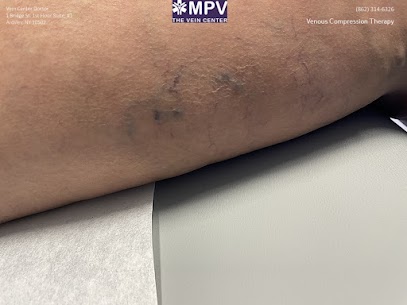
Think of vein function as the intersection of mechanical load and biological resilience. Mechanical load comes from gravity, body weight, pregnancy, and hours spent standing or sitting. Biological resilience is shaped by your arteries and lymphatics, your hormones, and your diet. A balanced plate doesn’t rescue a ruptured perforator vein, but it can reduce chronic inflammation, support connective tissue, and prevent the day-to-day fluid swings that stretch and stress valves.
In a modern vein and vascular clinic, we often weave nutritional counseling alongside compression therapy, exercise prescriptions, and minimally invasive procedures at an outpatient vein clinic. The aim is simple: better vessel health, better recovery, fewer recurrences.
The daily problems we see in a leg vein clinic
Patterns repeat in a venous disease clinic. Teachers, hair stylists, nurses, carpenters, and frequent flyers come in with evening swelling, skin irritation around the ankle, and a mix of visible veins. Many carry extra weight around the abdomen and hips, a key driver of venous pressure in the legs. Diet often leans toward low fiber and high sodium, with sporadic hydration. Caffeine keeps them going, alcohol unwinds the day, and movement is choppy: long periods of stillness punctuated by short bursts of rushing around.
When we tighten up these daily inputs, symptoms often ease within weeks. I have seen a construction supervisor drop only 6 pounds, shift to a higher-fiber breakfast, and hit a liter and a half of water before noon. His evening ankle circumference fell by a full centimeter, measured with a tape at the same landmark on the lateral malleolus for three consecutive Fridays. He still chose a vein ablation later at a modern vein clinic, but the difference in post-procedure soreness and bruising was unmistakable.
Hydration and blood thickness
Thicker blood makes venous return harder. Dehydration concentrates red cells and proteins, increasing viscosity, especially in warm weather or on long flights. At a vascular vein center, we see more symptom flares during heat waves or after travel. Hydration targets vary with body size and climate, but for most adults, 1.5 to 2.5 liters of fluids per day maintains good plasma volume. Athletes and outdoor workers often need more.
Plain water is fine. Mineral water with magnesium can help some with calf cramps. Herbal teas count. Excess caffeinated beverages and alcohol do not hydrate well and can promote diuresis. I advise patients to front-load fluids before midday, then taper so nighttime urination doesn’t disrupt sleep. A simple check is urine color: pale straw suggests you are on track.
Sodium, potassium, and the evening ankle test
Vein patients frequently underestimate salt. Restaurant food and packaged snacks carry hidden sodium that drives fluid retention. The evidence is straightforward: higher sodium intake increases extracellular fluid, and gravity takes it downhill. If your ankles leave sock marks by dinner, map your sodium for a week. Aim for less than 2 grams of sodium per day for symptomatic swelling. The difference in ankle girth by evening tells the story better than any lecture.
Potassium counters sodium’s effect and supports vascular tone. Potassium-rich produce like leafy greens, tomatoes, avocados, beans, and bananas helps shift fluid back into cells. There are caveats: patients on certain blood pressure medications or with kidney disease must review potassium targets with their physician. In a vein health center, we coordinate these changes with the primary care team, because a vein-specific plan still sits inside whole-person medicine.
Fiber, gut health, and pressure on pelvic veins
Every time you strain on the toilet, you spike pressure in the pelvic and rectal venous plexus. Over years, that pattern contributes to hemorrhoids and can worsen venous insufficiency in the legs. High-fiber diets reduce straining by softening stool and promoting regularity. I recommend 25 to 38 grams of fiber per day, depending on body size and energy needs. Most people hover around 10 to 15 grams.
Practical moves work better than vague advice. Swap white toast for 100 percent whole-grain bread at breakfast, stir ground flax into yogurt, switch from white rice to pearled barley or quinoa twice a week, and keep a pot of lentil soup in the freezer. Increased fiber should come with increased fluids, otherwise gas and bloating will chase you away from a good habit.
Weight, waistline, and venous pressure
Excess abdominal fat raises intra-abdominal pressure and impedes venous return from the legs. Weight reduction, even modest, consistently improves symptoms. In clinic we track a few data points: evening ankle measurement, self-rated heaviness on a 0 to 10 scale, and how long it takes for morning ankles to look normal. A 5 to 10 percent weight loss frequently lowers evening swelling and improves stamina. This does not require a flawless diet. It demands a sustainable eating pattern paired with regular walking and calf activation. Calf muscles pump venous blood; stronger calves, better return.
For many, protein intake is the lever. Adequate protein preserves lean mass during weight loss, which maintains calf strength and gait. I tend to set daily protein targets around 1.2 to 1.6 grams per kilogram of target body weight for those actively losing weight and exercising, spread over meals. Fish, poultry, yogurt, beans, tofu, and eggs all fit. Highly processed meats are less helpful because of sodium and preservatives.
Micronutrients that support vein walls and valves
Vein walls and valve leaflets rely on collagen and elastin. While no single nutrient rebuilds a damaged valve, several support connective tissue and endothelial health. The pattern that helps most patients looks like a Mediterranean-style diet: colorful vegetables, fruit, legumes, whole grains, nuts, seeds, olive oil, and fish. Here are the components I emphasize in a vein consultation clinic:
- Vitamin C and collagen synthesis: Citrus, strawberries, kiwi, bell peppers, and broccoli supply vitamin C that aids collagen cross-linking. Patients who notice easy bruising often run low on vitamin C. A daily intake in the range of 75 to 120 milligrams is sufficient; food usually covers it. Bioflavonoids and capillary integrity: Citrus bioflavonoids, berries, red onions, and dark chocolate in moderation contain compounds that support endothelial function. The over-the-counter diosmin and hesperidin combinations we sometimes suggest at a venous treatment center are concentrated forms of these flavonoids. Evidence shows modest improvements in leg heaviness and swelling for some, particularly when paired with compression stockings. Magnesium and muscle tone: Magnesium supports smooth muscle relaxation and may reduce nighttime cramps. Nuts, seeds, legumes, and whole grains are good sources. Some patients prefer magnesium glycinate in the evening, especially if diet is light on greens and pulses. Omega-3 fatty acids and inflammation: Fatty fish like salmon, sardines, and mackerel deliver EPA and DHA that help temper systemic inflammation. For those who dislike fish, algal oil is a reasonable alternative. I aim for two servings of oily fish per week or a supplement after discussion with a clinician at a vein specialist clinic. Polyphenols and nitric oxide: Beets, spinach, arugula, and pomegranate can enhance nitric oxide availability, improving endothelial responsiveness. Nitrate-rich vegetables often show tangible benefits for exercise tolerance, and better walks mean better calf pumping.
What to eat on a weekday that actually helps
Diet advice sticks when it fits a real schedule. This is what a working day might look like for a patient in a comprehensive vein clinic plan who commutes and sits often.
Breakfast: Greek yogurt with ground flaxseed, blueberries, and a sprinkle of walnuts. Coffee, then a glass of water afterward. If savory is preferred, an omelette with spinach, tomatoes, and feta, plus a slice of whole-grain toast.
Mid-morning: Refill a 750 ml water bottle and finish it by lunch. A small piece of fruit if hunger appears.
Lunch: Lentil and vegetable soup with olive oil, or a quinoa bowl with chickpeas, roasted peppers, cucumbers, and tahini. Add a side of citrus segments for vitamin C. Keep sodium moderate by making or choosing low-salt options.
Afternoon: Herbal tea. If cramps creep in by late day, add a small banana or a handful of pumpkin seeds. Stand and do a minute of calf raises every hour.
Dinner: Grilled salmon or baked tofu, a large salad with arugula and beets, and a side of barley or brown rice. Season heavily with herbs, lemon, and garlic rather than salt. If wine is part of life, keep it to a small glass with food, not on an empty stomach.
Evening: Elevate legs for 15 to 20 minutes while reading. Hydration tapers so sleep is undisturbed.
Notice how the plate is not extreme. It is fiber-forward, potassium-rich, and has adequate protein. It supports the calf pump with energy for walks and reduces sodium quietly, without bland food.
Supplements: when they help and when they distract
Supplements appeal to patients who want a quick fix. In a vein intervention clinic, we see the full array: horse chestnut extract, gotu kola, grape seed extract, butcher’s broom, and micronized purified flavonoid fraction (MPFF) products. The evidence base is mixed. A few points from practice and literature:
- MPFF (diosmin-rich preparations) shows modest improvements in symptoms like heaviness and edema. We use it selectively for patients with chronic venous insufficiency who cannot tolerate compression or need additional support during hot months. Horse chestnut (aescin) may reduce leg swelling, but quality control varies, and those with bleeding disorders or on anticoagulants should avoid it without medical supervision. Gotu kola (centella asiatica) has small studies suggesting improvement in microcirculation, but interactions and liver considerations exist. We advise caution. Magnesium, as noted, can reduce cramps for some. Start low and monitor digestion. Vitamin D matters for general health, but direct vein benefits are indirect at best.
Food-first remains the backbone. If a supplement promises to erase varicose veins without a visit to a vein doctor clinic, it is marketing, not medicine.
Special cases: pregnancy, travel, desk jobs, and athletes
Pregnancy: Blood volume expands by roughly 30 to 50 percent, progesterone softens vein walls, and the growing uterus raises pelvic pressure. Diet supports comfort, not cure. Emphasize hydration, fiber to avoid constipation, potassium-rich produce, and moderate sodium. Compression stockings prescribed at a vein wellness clinic reduce symptoms markedly. Postpartum, many spider veins fade over months, but some varicosities persist and later benefit from evaluation at a vein screening clinic.
Long flights or road trips: Dehydration and immobility are the culprits. Aim for regular water intake, minimize alcohol, and choose lower-sodium meals before travel. Walk the aisle or stop every 60 to 90 minutes and do ankle pumps. If you have known venous disease, consider travel compression and consult a vascular clinic for veins about your individual Ardsley NY vein clinic thrombosis risk.
Sedentary desk work: Timers help. Stand every hour for two minutes, alternate heel raises and toe raises, and keep a hydration bottle within reach. Balanced lunches that avoid heavy sodium and refined carbs prevent the afternoon slump that leaves you sitting longer.
Athletes: Heavy training needs higher sodium replacement during long, hot sessions, but daily life still benefits from a moderate-sodium baseline. Focus on magnesium, potassium, and adequate protein. Recovery shakes often hide sodium and sugar; read labels. Vein issues in athletes typically relate to genetics and training load. Nutrition helps with cramps and inflammation, and a venous insufficiency clinic can advise on compression during and after workouts.
When nutrition is not enough, and how it still helps
Many patients arrive at a vein removal clinic or a vein ablation clinic after years of trying lotions, herbs, and elevation tricks. Duplex ultrasound shows reflux in the great saphenous vein or perforator incompetence. At that point, procedures like thermal ablation, foam sclerotherapy, or adhesive closure repair the underlying problem. Nutrition still earns its place by speeding recovery and stabilizing the environment the veins live in.
We give simple targets before and after procedures at a professional vein clinic:
- Hydration: 2 liters per day starting two days before and for the week after, unless restricted for medical reasons. Sodium: keep it low in the first week post-procedure to limit edema around treated segments. Protein: at least 20 to 30 grams per meal for the first two weeks to support healing. Fiber: maintain 25 to 38 grams daily to avoid straining, which can aggravate tenderness.
Patients who follow these steps report less throbbing, fewer night cramps, and an easier return to long walks, which are encouraged by most vein treatment specialists.
The role of compression and food together
No nutritional plan replaces compression when indicated. Graduated compression stockings, properly fitted at a vein diagnostics clinic, reduce venous diameter, improve valve coaptation, and increase blood flow velocity. Food and fluid choices make compression more comfortable and more effective. Lower sodium reduces the sensation of tightness by evening. Better hydration and potassium curb cramps that make stockings unbearable. Fiber prevents the abdominal straining that can make tights feel stifling. Think of nutrition as the inside job that complements the outside pressure.
Alcohol, caffeine, and the realistic middle path
Alcohol can dilate superficial vessels temporarily and may worsen capillary fragility, especially with rosacea-prone skin that often accompanies spider veins. It also disrupts sleep, which impairs recovery. A small drink with food is less provocative than several drinks late in the evening. Caffeine is not the villain it was once made out to be, but heavy intake can dehydrate and promote palpitations that make patients anxious about walking. The middle path usually wins: one or two cups of coffee in the morning, plenty of water thereafter, and alcohol kept to modest, food-paired amounts.
Key signals that your nutrition plan is working
Patients often want objective signs. You can track a few at home while you work with a vein specialist center or a vein care office:
- Evening ankle measure at a fixed point: use a soft tape at the same distance above the malleolus. A reduction of 0.5 to 1.0 cm over several weeks is a strong signal. Shoe comfort: if your usual pair feels less tight after work, fluid balance is improving. Night symptoms: fewer cramps and less restless leg sensation suggest better electrolytes and hydration. Morning recovery: if ankles look normal sooner after waking than they used to, venous return improved overnight. Stamina: easier walks and fewer breaks on stairs indicate calf pump strength and metabolic support.
Clearing up common myths
“More water always fixes swelling.” Not if sodium is high. Hydration without sodium control can increase extracellular fluid and worsen ankle edema. Pair the two.
“Varicose veins mean you must avoid salt completely.” Very low sodium can be counterproductive if you sweat heavily or have certain medical conditions. The goal is sensible control, coordinated with your clinician.
“Vitamin K will thin the blood.” Vitamin K is essential for clotting; it does the opposite. Do not start or stop vitamin K rich foods or supplements without input if you are on anticoagulants.
“Compression is only for older people.” We fit compression for runners, nurses, and pregnant patients in their 20s and 30s. It is a tool, not an age marker.
“Diet can erase spider veins.” Spider veins are structural changes in small vessels near the skin. Nutrition can reduce new breakouts by moderating pressure and fragility, but existing clusters usually require sclerotherapy at a spider vein clinic or a vein therapy clinic.
When to see a vein specialist, and what to expect
If you have persistent leg heaviness, swelling that worsens through the day, skin discoloration around the ankle, or bulging varicose veins, schedule an evaluation. A certified vein clinic will perform a focused exam and a duplex ultrasound to map reflux and plan care. Many treatments are minimally invasive, performed under local anesthesia in a vein treatment office. Downtime is modest, and walking resumes the same day in most cases.

Nutrition is part of this conversation at any trusted vein clinic. Expect guidance that aligns with your medications and comorbidities. Patients with diabetes, kidney disease, heart failure, or on anticoagulation need tailored advice. That is the advantage of a coordinated approach at a vein medical clinic or a vascular care clinic: nutrition, activity, compression, and procedure planning live in the same file.
A simple starting plan you can implement this week
- Choose two high-fiber swaps you can keep: for example, lentil soup twice a week and whole-grain bread instead of white. Set a hydration anchor: drink 750 ml of water before lunch and another 750 ml before dinner. Trim sodium where it hides: cook one extra dinner at home this week, using lemon, herbs, and olive oil instead of salty sauces. Add one omega-3 source: eat salmon or sardines once, or discuss an algal oil supplement with your clinician. Elevate and walk: ten minutes of leg elevation after work and a 20 to 30 minute walk most days to fire the calf pump.
This five-point plan fits most patients seen at a vein condition clinic and builds momentum without perfectionism. If you do nothing else, this alone will make a difference you can measure.
The long view
Vein health is not a sprint. It is shaped by anatomy you inherited and decades of posture, movement, and food. The upside is that small, consistent nutritional changes reduce symptoms whether you are 28 or 78. When combined with the right interventions at a vein surgery clinic or a vein laser clinic, the results are often dramatic: lighter legs, fewer cramps, calmer skin, and a return to activities you had quietly stopped.
If you need help translating these ideas into a plan that fits your medications, work, and family life, seek out an experienced vein clinic. Ask about their approach to nutrition and recovery, not just procedures. In my experience at a comprehensive vein clinic, patients who pair sound eating with targeted treatment do better, feel better, and come back less often for the same problems. That is the goal shared by every vein care specialists clinic and vascular treatment clinic I respect: not just a technically successful procedure, but a durable improvement in daily life, supported by habits you can live with.